
Categories
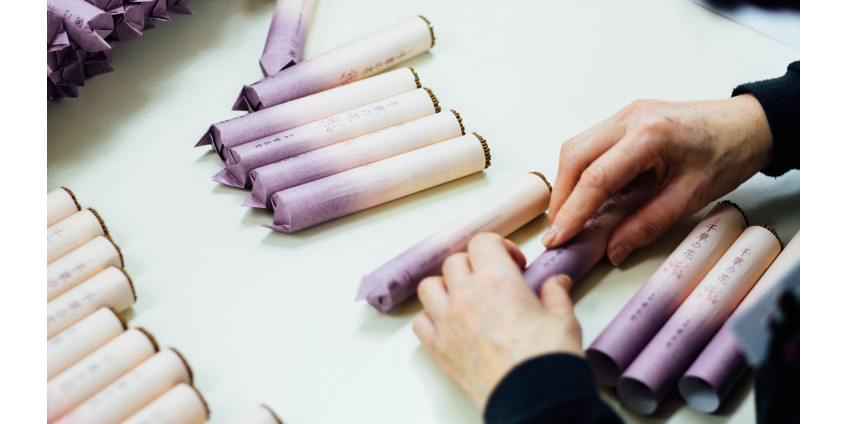
Japanese incense. How are they made?
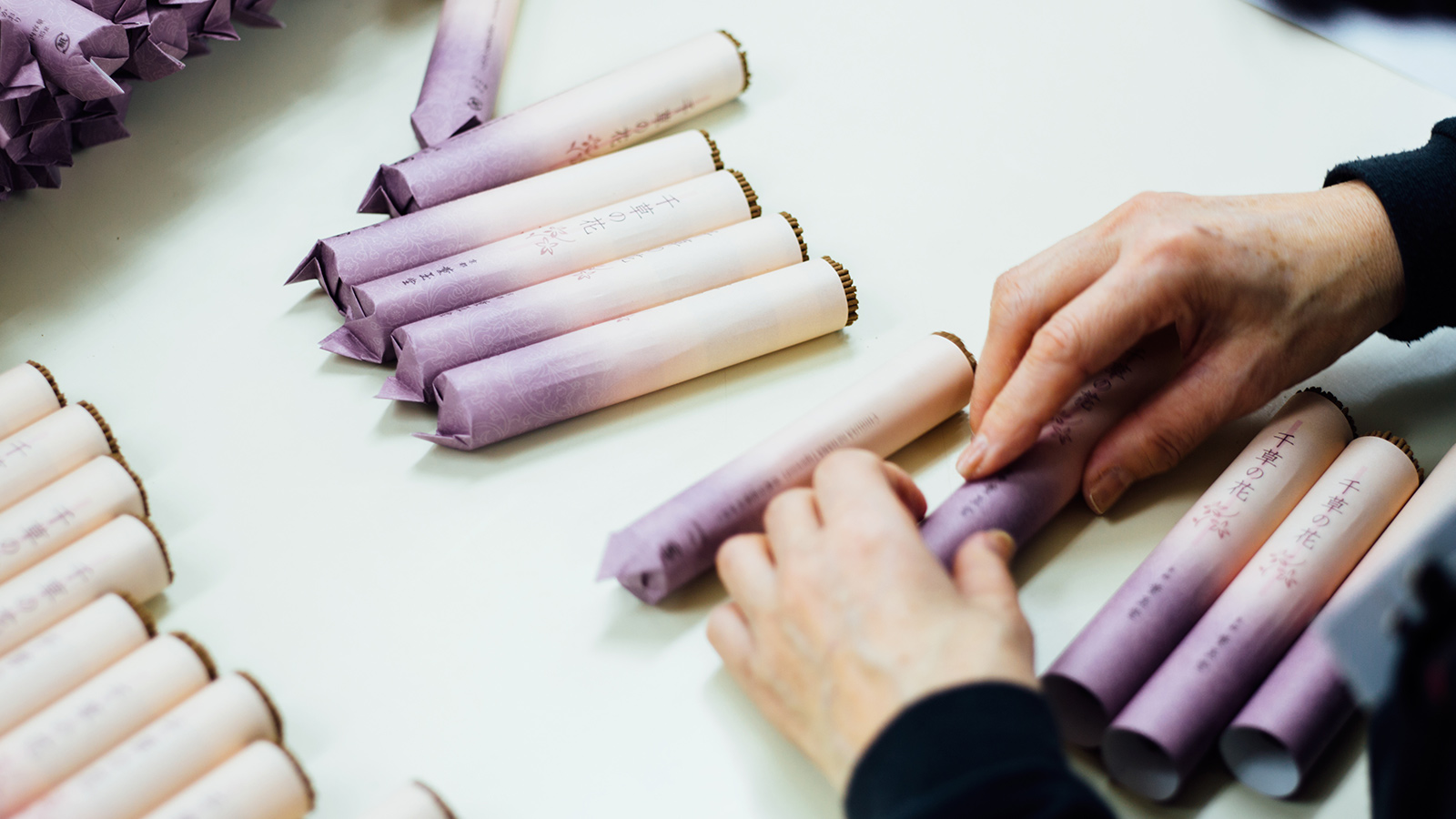
Japanese incense. How are they made?
Japanese incense can be made from sandalwood, agarwood, resin, and essential oils. While some are made with only herbal ingredients, others contain IFRA (International Fragrance Association) certified aroma oils and colorants that distinguish one type of incense from another. Of the many types available on the market, this incense is probably the most natural and meets Japan's stringent health and quality requirements.
The base of Japanese incense is made from the bark of the taboo tree. A distinctive feature of the bark of this tree is the clay "dough" mass that is obtained by mixing its crushed powder of this tree with water. Then the dough can be rolled into thin sticks, or given another shape - a cone, a spiral, etc. Water and powdered ingredients are added to the powder.
The process of making incense is a delicate matter. Hard work and the experience of experienced craftsmen are fundamental to control every step that affects the little incense stick. Everything is important, the quality and origin of the raw materials, the temperature during production, the humidity of the air, the water used for mixing, the drying time.
When the fragrant mass reaches the desired consistency, it is passed through a special apparatus, and it turns into "noodles", long soft threads that look like a paste.
The incense sticks are then cut to equal lengths and left to dry on wooden trays. They dry in a large room where humidity and temperature are carefully controlled. The incense remains in the factory for several days until it hardens.
Then they are packed and sent to all corners of the world.
Every detail counts and must be appropriate for the incense stick to burn properly and exude its fragrance delicately.