

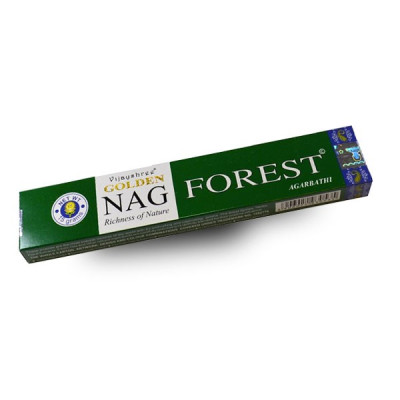
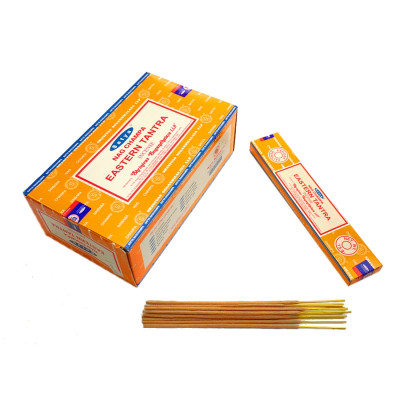
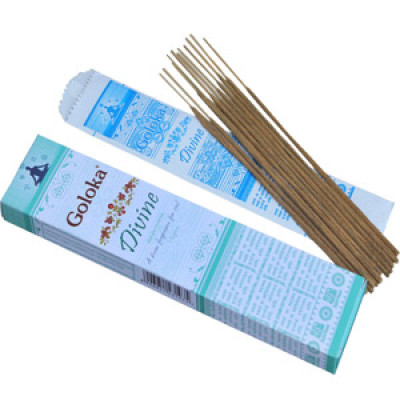

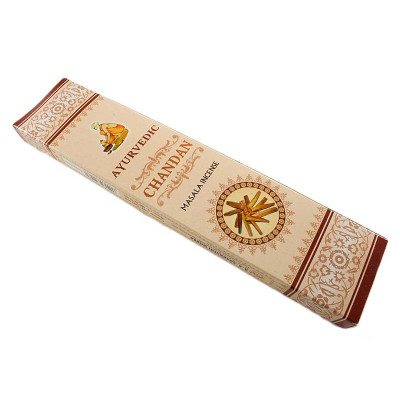
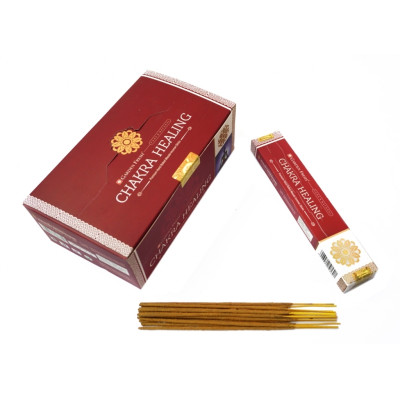
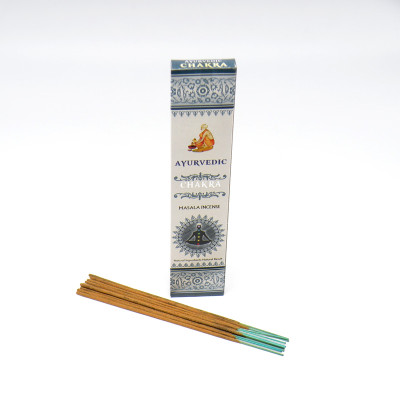
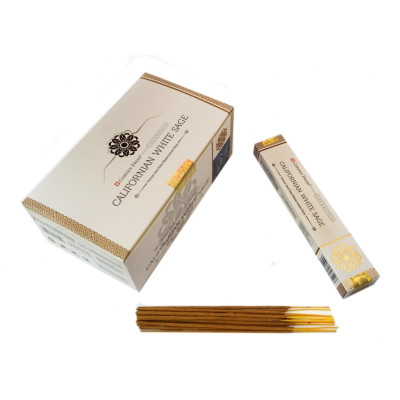
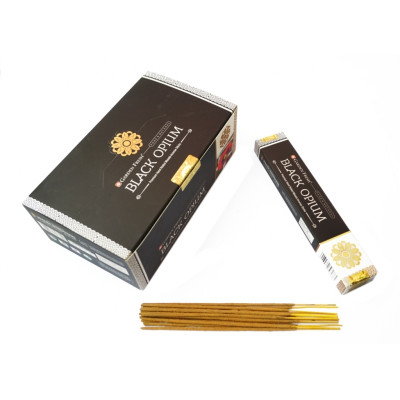
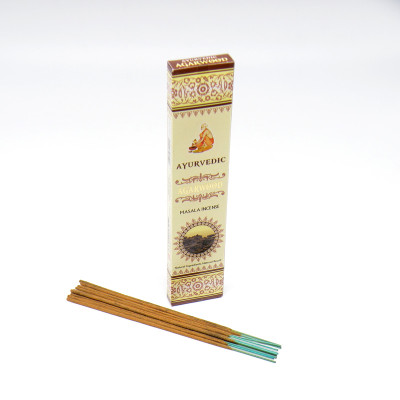
Indian incense
The journey to the heavenly planets through the flavors
In India, incense sticks are called "Agarbatti"is Sanskrit for agar: "fragrance" and vatti "wound" or "grief". The Vedas are considered the oldest source for the use of incense, and the modern production of incense sticks was created by priests-doctors of those times and is inextricably linked with Ayurveda-thedivision into five different classes is observed:
- ether (fruit, such as star anise);
- water (stems and branches, such as incense);
- earth (roots, for example, turmeric);
- fire (flowers, such as carnations);
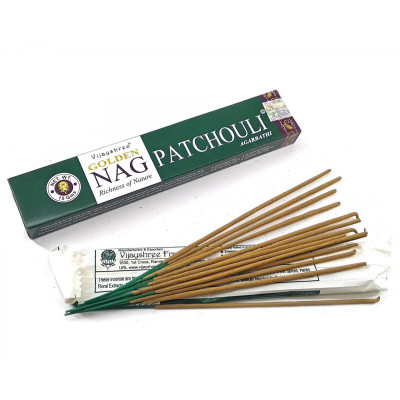
- air (leaves, for example, patchouli).
The use of incense as a healing substance was natural and completely assimilated into religious customs. With the development of Hinduism and the birth of Buddhism (700 BC), incense became an integral part of the religion. In the early 1900s, the Maharaja Mysore first came up with the idea of rolling aromapaste , which was originally the only type of incense, into a bamboo base, and this innovation was immediately loved and spread by people. The main ingredients are:
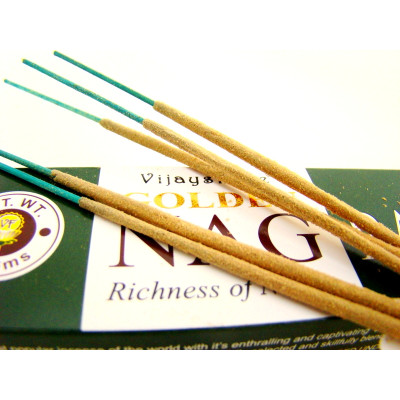
- Base (bamboo; charcoal; sawdust; tree bark; Joss powder джосс-hence the name "joss sticks»);
- Aromatic raw materials with the traditional name "masala". This has nothing to do with cooking, but means a fragrant crushed powder (perfume/essential oil solvents; amber; frankincense; myrrh; halmaddi tree resins, gum Arabic, etc.).
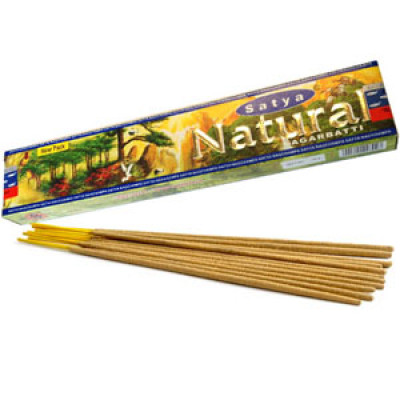
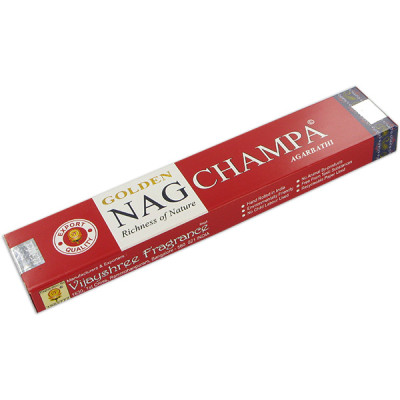
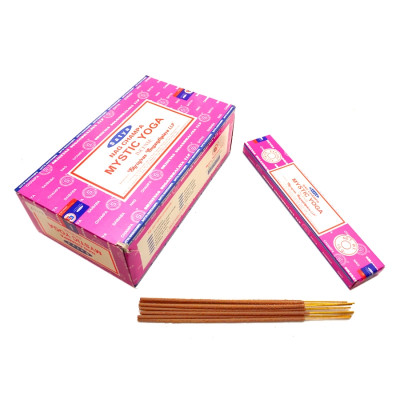
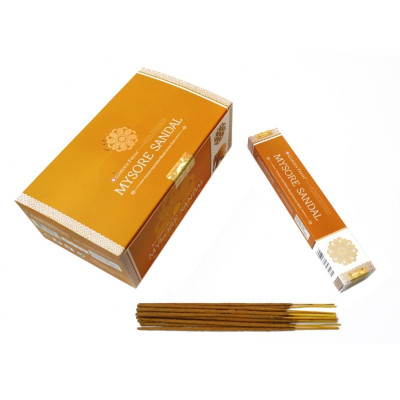
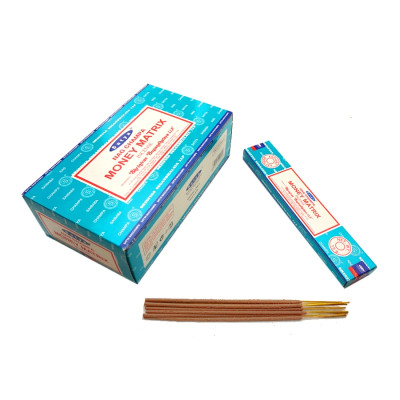
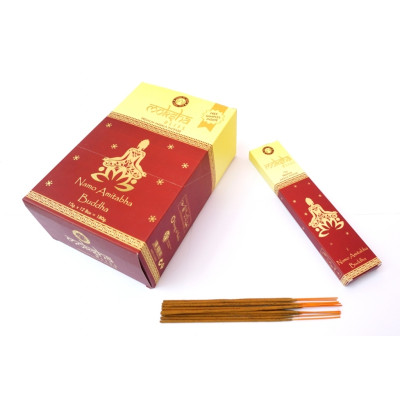
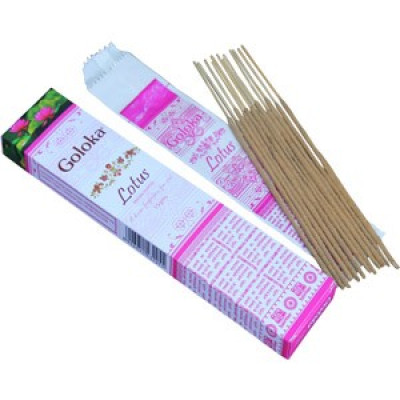
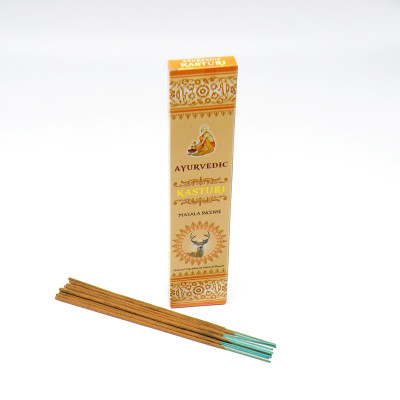
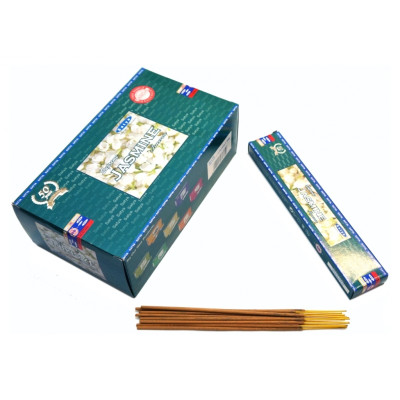
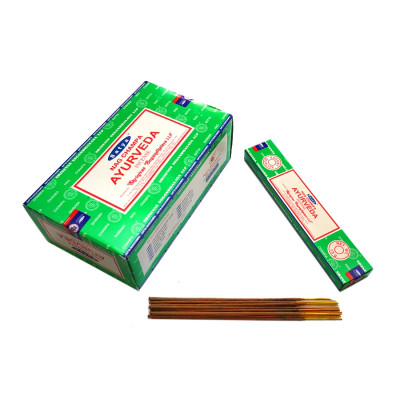
In India, the smells and rituals are mixed daily, so the names of the perfumes are also in the highest degree sublime. So, in 1964, there is an innovative production of aroma sticks in the family Sathyam Setti is "Satya" and is deservedly considered the" king "of masala incense. You can buy them and other Indian manufacturers of high-quality incense sticks in our online store "Tendan" with convenient payment and delivery.
We create a calming and uplifting mood by lighting Indian incense from our shop "Tendan".